
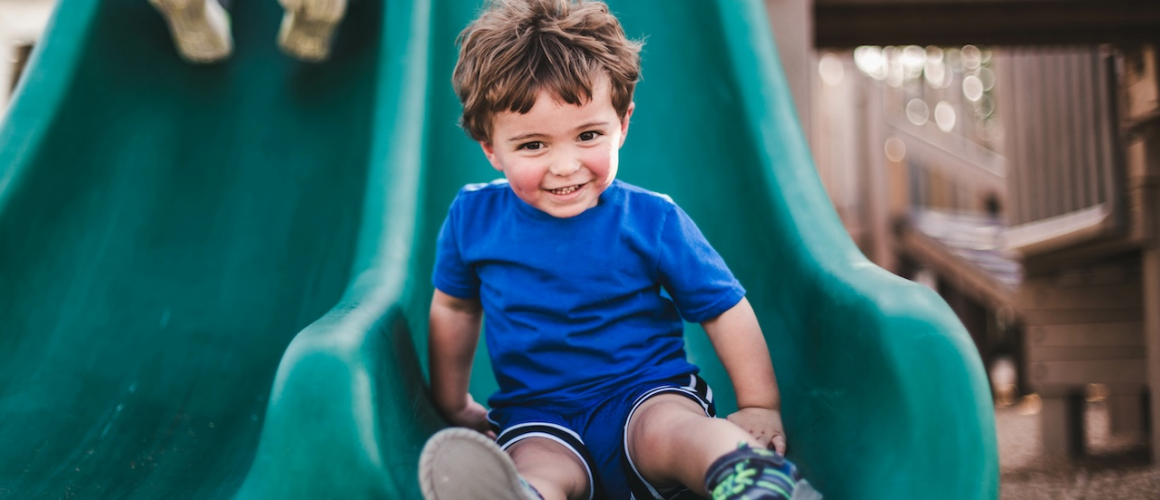
August is a month of transitions. The long, carefree days of summer begin to wind down, while the excitement of a brand new school year starts to build. For children, this time of year brings new classrooms, new teachers, new friendships, and new routines. While these changes can be exciting, they can also feel overwhelming, especially for younger children.
By focusing on simple safety habits and consistent routines, families can help children make the transition with confidence. Whether you’re soaking up the final days of summer or preparing for the first day of school, a little preparation goes a long way toward creating a happy, healthy, and safe start to the new season.
End of Summer Sun & Heat Safety
Although the calendar is inching toward fall, August often brings some of the hottest days of the year. Children are still spending plenty of time outdoors enjoying playgrounds, parks, splash pads, and family adventures. Taking a few extra precautions helps ensure those memories stay fun and safe.
Protect Skin from the Sun
Even on cloudy days, ultraviolet (UV) rays can cause sunburn. Apply a broad-spectrum sunscreen with SPF 30 or higher about 15–30 minutes before outdoor play and remember to reapply every two hours, or more frequently after water activities or excessive sweating. Wide-brimmed hats and sunglasses with UV protection provide an extra layer of defense against the sun.
Stay Hydrated
Young children often become so engaged in play that they forget to drink water. Encourage frequent water breaks throughout the day and send a refillable water bottle wherever your child goes. Signs of dehydration such as fatigue, headaches, dizziness, or dry lips can often be prevented with regular hydration.
Take Cooling Breaks
Plan outdoor activities during the cooler morning hours whenever possible. When temperatures rise, children should take frequent breaks in the shade or indoors where they can cool down. Watch for signs of overheating such as flushed skin, excessive sweating, irritability, or unusual tiredness.
Dress for Comfort
Choose lightweight, breathable clothing made from cotton or moisture-wicking fabrics. Light-colored clothing reflects sunlight and helps children stay cooler during outdoor play.
A few simple habits can make all the difference in helping children safely enjoy the final weeks of summer.
Back to School Readiness & Safety
Returning to school is exciting, but it also means adjusting from relaxed summer schedules to more structured daily routines. Helping children prepare ahead of time can reduce anxiety and build confidence.
Ease Back into Routines
About one to two weeks before school begins, gradually move bedtime and wake-up times earlier. Consider practicing a few “school mornings” by getting dressed, eating breakfast, and leaving the house on schedule. Familiar routines help children know what to expect and make the first day much smoother.
Label Personal Belongings
Backpacks, lunch boxes, water bottles, jackets, sweaters, blankets, and comfort items can easily be misplaced. Clearly labeling belongings with your child’s name helps items find their way back home and reduces unnecessary stress.
Pack Smart
Children should carry only what they need each day. A backpack should fit properly with both shoulder straps worn evenly. Keeping backpacks light helps prevent strain on growing backs and shoulders.
Practice Safe Arrival
Busy parking lots and sidewalks require extra attention. Teach children to stay close to a trusted adult, walk instead of run, and always use designated crosswalks when available. Establishing these habits early creates safer daily routines throughout the school year.
When children know what to expect, they begin each day feeling more secure, independent, and ready to learn.
Healthy Habits for a Strong Start
The beginning of the school year also marks the return of seasonal illnesses. Reinforcing healthy habits at home helps children stay healthier while supporting the well-being of classmates and teachers.
Wash Hands Often
Handwashing remains one of the best ways to prevent the spread of germs. Encourage children to wash their hands:
- Before eating meals or snacks
- After using the restroom
- After coughing or sneezing
- After outdoor play
- After touching shared toys or surfaces
Make handwashing fun by singing a favorite 20-second song while washing.
Cover Coughs and Sneezes
Teach children to cough or sneeze into their elbow or a tissue instead of their hands. Dispose of tissues immediately and wash hands afterward. Practicing these habits at home makes them second nature at school.
Prioritize Sleep
Sleep plays an essential role in learning, emotional regulation, and overall health. Preschool-aged children typically need 10–13 hours of sleep each day, including naps when appropriate. Consistent bedtime routines help children wake up refreshed and ready for a productive day.
Fuel Growing Minds
A nutritious breakfast and balanced snacks provide the energy children need to learn and play. Include fresh fruits, vegetables, whole grains, dairy, and protein-rich foods to support healthy growth and concentration throughout the day.
Healthy habits established now create lifelong routines that benefit children well beyond the classroom.
Safe Drop-Off & Pick-Up Routines
School arrival and dismissal are among the busiest parts of the day. A few extra moments of patience and attention help keep everyone safe.
Use Proper Car Seats and Seat Belts
Ensure children are properly secured in age- and size-appropriate car seats, booster seats, or seat belts according to state guidelines. Double-check that harnesses and buckles fit correctly before every trip.
Slow Down in School Zones
Children can be unpredictable, especially during arrival and dismissal. Drive slowly, remain alert for pedestrians, and avoid distractions such as texting or phone calls while navigating school parking lots.
Never Leave Children Alone in a Vehicle
Vehicle temperatures can rise rapidly, even during mild weather. Always take children with you whenever exiting the car, even for a brief errand.
Communicate Schedule Changes
If someone different will be picking up your child or your arrival time changes, notify the school office in advance. Clear communication helps staff ensure every child is released safely.
Safe and organized transitions create a positive beginning and end to every school day.
Helping Children Feel Emotionally Ready
Back-to-school preparation isn’t only about supplies and schedules—it also includes supporting children’s emotional well-being.
Some children eagerly anticipate returning to school, while others may feel nervous about new teachers, new classmates, or being away from family. Listening to their feelings, answering questions honestly, and talking positively about school can ease many worries.
Reading books about starting school, visiting the school before the first day when possible, and allowing children to help choose their backpack or lunchbox can also build excitement and confidence. Remember that every child adjusts at their own pace, and a reassuring smile from a trusted adult goes a long way.
Celebrating a Season of New Beginnings
August is a wonderful reminder that every ending brings a new beginning. As we enjoy the final days of summer sunshine and prepare for another exciting school year, small daily habits make a lasting impact on children’s safety, health, and confidence.
By working together—families, teachers, and caregivers—we create an environment where children feel secure, supported, and excited to learn. Here’s to a school year filled with discovery, friendships, growth, and countless opportunities to shine.
From all of us at Young Horizons School, we wish your family a safe, joyful, and successful start to the new school year!